PARTE 1
“Ese bebé no es un milagro, Mariana… es un experimento de laboratorio.”
Mi mamá lo dijo sin bajar la voz, frente a mi papá, frente a mi esposo y frente al pastel de tres leches que mi abuela había llevado para celebrar lo que, hasta ese momento, era la noticia más feliz de mi vida.
Yo estaba embarazada de once semanas.
Después de siete años intentando, cuatro pérdidas, decenas de estudios, inyecciones, lágrimas escondidas en baños de hospitales y una tercera ronda de fertilización in vitro que casi nos dejó sin ahorros ni esperanza, por fin había un latido dentro de mí.
Pero para mi madre, doña Elena, eso no era una bendición.
Era pecado.
Crecí en Puebla, en una casa donde se rezaba antes de comer, pero también se reía fuerte, se bailaba en las bodas y se perdonaban los errores. Mi mamá siempre fue estricta, sí, pero no cruel. Mi papá, don Raúl, era el tranquilo, el que decía: “Déjala respirar, Elena, no nació para vivir encerrada en tus miedos”.
Todo cambió cuando yo tenía veinte años y me fui a vivir con Andrés, mi novio de la universidad. Mi madre empezó a asistir a una iglesia evangélica por invitación de una compañera de trabajo, y en cuestión de meses dejó de hablar como mi mamá y empezó a hablar como si cada decisión mía fuera una ofensa directa al cielo.
Cuando supo que Andrés y yo compartíamos departamento en la colonia La Paz, llegó sin avisar con dos mujeres de su grupo de oración. Lloró en la puerta, me suplicó que volviera “antes de perder mi alma” y dejó folletos sobre pureza en mi buzón durante semanas.
Nos casamos antes de lo planeado, no porque no quisiéramos hacerlo, sino porque ya no soportábamos el acoso.
Pensé que la boda calmaría todo.
Me equivoqué.
Al día siguiente de casarnos, mi mamá cambió la palabra “pecado” por “nietos”. Empezó a mandarme versículos, videos de señoras hablando de la maternidad como misión divina y mensajes donde decía que una mujer que retrasaba tener hijos estaba desobedeciendo a Dios.
Lo que no sabía era que Andrés y yo ya lo estábamos intentando.
Mes tras mes, la prueba salía negativa.
Luego llegaron los médicos. Primero dijeron que éramos jóvenes. Después, que tuviéramos paciencia. Finalmente, una especialista nos habló de infertilidad inexplicada.
Cuando perdí mi primer embarazo de pocas semanas, mi mamá no me abrazó.
Me dijo:
—Quizá Dios está corrigiendo algo que ustedes hicieron mal.
La segunda pérdida ocurrió en Navidad, en su propia cocina. Yo empecé a sangrar mientras ayudaba a servir el bacalao. En vez de llevarme al hospital, ella quiso reunir a todos para orar.
Fue Andrés quien me cargó hasta el coche.
Desde entonces dejé de contarle mis embarazos.
Pero esa noche, con mi bebé vivo en una ecografía dentro de mi bolsa, todavía quise creer que mi mamá elegiría el amor.
Entonces ella miró la imagen, se persignó como si hubiera visto algo sucio y dijo:
—Yo no puedo felicitarte por desafiar la voluntad de Dios.
Y ahí entendí que lo peor apenas estaba comenzando…PART 2
For three days, my mother didn’t write a single word to me. My father called, weeping with emotion the moment he saw the ultrasound photo in the family group chat. My grandmother, Lupita, started asking if I could knit yellow booties “in case we still don’t know if it’s a boy or a girl.” My aunts flooded my phone with hearts, my cousin sent me a diaper-changing roster, and even Uncle Armando—who usually stays out of things—wrote: “The baby already has someone watching over it.” But my mother? Nothing. Nothing, except for Facebook posts about spiritual retreats, religious memes, and phrases like: “Not everything that seems like a blessing comes from God.” When Andrés saw me crying for the third night in a row, he sent me a polite message. He told me I needed to figure out how to deal with this. You shut me out, and now you want me to celebrate something I don’t understand. A week later, the email arrived. Five pages long. I read it in our study, one hand on my belly and the other trembling as I held the mouse. My mother said she had spent days in prayer and that God had placed it on her heart to warn me about the “spiritual consequences” of the pregnancy. She wrote that IVF was an attempt to play God, that frozen embryos were being abandoned, and that if anything went wrong with my baby, it would be a divine sign. Then, she wrote the sentence that broke me: “I would rather have no grandchildren than accept a child born of human pride.” Andrés wanted to meet her, but I asked him not to. Instead, I forwarded the email to my father. He called me ten minutes later. He didn’t greet me; he simply said, “Mariana, I’m sorry. I didn’t realize how far your mother had gone. They had a discussion that night unlike any they’d ever had before.” My mother revealed something she had kept hidden her entire life: “Elena also needed medical treatment to conceive Mariana. I felt abandoned when my father told me.”
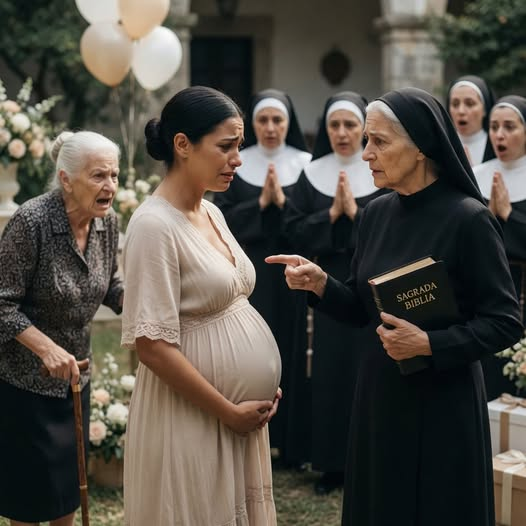
My mother—who had called me a sinner for needing medical assistance—had herself undergone artificial insemination before giving birth to me. When my father confronted her, she simply repeated: “It’s not the same. My child was permissible. Yours was an act of arrogance.” But the true humiliation came two weeks later, on the day of my baby shower. My mother showed up unannounced with three women from her church, carrying anti-IVF leaflets. And as she began handing them out to my guests, I knew that, that afternoon, someone was about to cross a line from which there would be no turning back…