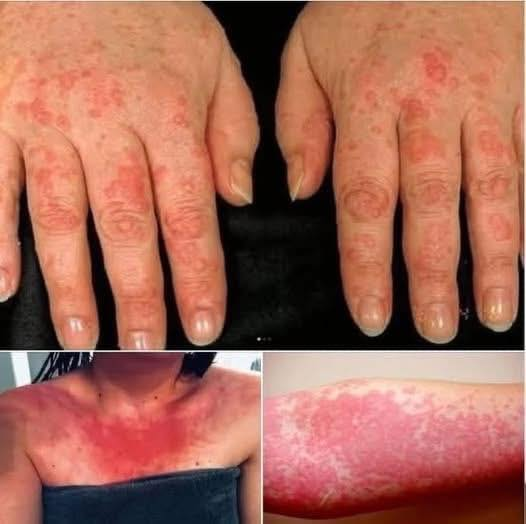
The images above show red, inflamed, and patchy rashes appearing on different parts of the body, including the hands, chest, and arms. These visible symptoms can be linked to a range of medical conditions, most commonly autoimmune diseases, allergic reactions, or inflammatory skin disorders. One significant possibility that medical experts often consider when seeing such patterns is dermatomyositis, an uncommon inflammatory disease that causes skin rashes and muscle weakness.
Dermatomyositis often begins with distinctive red or purple rashes that appear on sun-exposed areas such as the face, chest, shoulders, hands, and arms. The images presented strongly resemble the classic skin changes associated with this condition. For example, the rash across the knuckles (called Gottron’s papules) is a hallmark sign. Similarly, the red, blotchy rash across the chest, known as the shawl sign or V-sign, is another characteristic indicator. Unlike simple allergic rashes, dermatomyositis is typically persistent and often accompanied by systemic symptoms like fatigue, difficulty swallowing, or muscle pain.
Another possible explanation could be lupus erythematosus, an autoimmune disorder where the immune system mistakenly attacks healthy tissues. Lupus frequently manifests with skin rashes, joint pain, and photosensitivity. The red rash spreading across the upper chest and arms could be consistent with this disease, especially since lupus rashes often worsen after sun exposure.
However, it is important not to overlook more common possibilities such as allergic contact dermatitis or eczema. These conditions can also cause redness, itching, and swelling on the skin. Triggers may include cosmetics, soaps, perfumes, or even fabrics. In such cases, identifying and avoiding the irritant can greatly reduce flare-ups.
Another consideration is drug-induced skin reactions. Certain medications may cause hypersensitivity reactions that lead to rashes similar to those in the images. Antibiotics, chemotherapy drugs, and some heart medications are known to trigger such effects in sensitive individuals.
What makes conditions like dermatomyositis particularly important to recognize is their potential connection with more serious underlying diseases. Studies have shown that dermatomyositis may sometimes be associated with internal malignancies, meaning that proper medical evaluation is crucial. Early diagnosis and treatment can not only improve quality of life but may also detect hidden health issues that need urgent attention.
In terms of management, treatment depends heavily on the underlying cause. If dermatomyositis or lupus is confirmed, therapies often include corticosteroids, immunosuppressive drugs, and lifestyle adjustments to protect the skin from UV light. For allergic rashes or dermatitis, antihistamines, topical steroids, and avoidance of triggers are often recommended.
While skin rashes are common, their appearance should never be dismissed when they are widespread, persistent, or accompanied by other symptoms like muscle weakness, fever, or fatigue. Such presentations warrant thorough medical evaluation, including blood tests, biopsies, or imaging, to determine the exact diagnosis.
In summary, the rashes depicted in the images highlight the complex nature of skin disorders, ranging from mild allergies to serious autoimmune diseases like dermatomyositis or lupus. They serve as a reminder that the skin is often a window into deeper health problems. Anyone experiencing such symptoms should seek prompt medical care to identify the cause and begin appropriate treatment.